Temporary Housing After a Hurricane: Wind, Flood, and the Coverage Gap
Garr Russell
CEO, Fireside RV Rental · Updated July 12, 2026
Hurricanes create the most confusing insurance situation of any disaster, because a single storm damages your home two ways that two different policies cover — and families lose weeks arguing the wrong claim. Getting the wind-vs-flood split right is the first move.
The coverage split that decides everything
After a hurricane, the cause of each piece of damage determines who pays:
- Wind and wind-driven rain → typically homeowners insurance, which triggers Additional Living Expenses for temporary housing.
- Storm surge and flooding → usually a separate flood policy (often NFIP), not homeowners. See temporary housing after a flood.
Most hurricane losses are both, adjusted under both policies. Whether you have ALE housing coverage hinges on which peril caused your uninhabitability — so document the cause of damage carefully.
The housing crunch after a major storm
Hurricanes displace whole regions at once. Hotels fill with evacuees, prices surge, and the nearest available lodging can be hours inland. That's exactly when staying on your own property — if it's standing and accessible — becomes the most stable option.
Housing the long rebuild
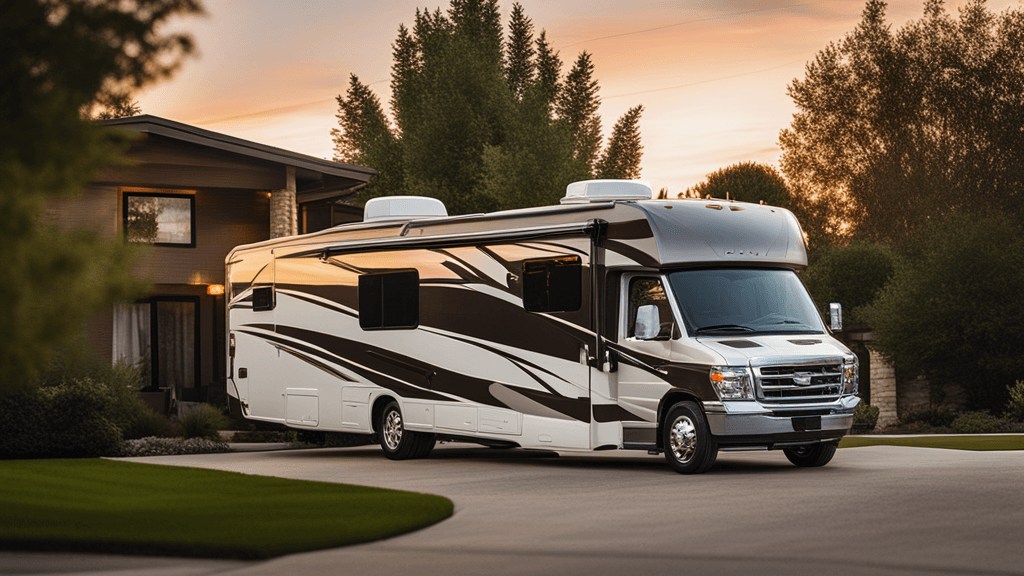
Hurricane repairs run long, so the multi-month math applies: a lower monthly cost stretches coverage and keeps the family together. An on-site RV keeps you on the property through the rebuild when the alternative is a hotel far from home. Start with the temporary housing guide, or tell us your situation on the request page.
Frequently asked questions
Does homeowners insurance cover temporary housing after a hurricane?
It depends on the cause of damage. Wind damage is typically covered by homeowners insurance, which triggers Additional Living Expenses for temporary housing. Flooding and storm surge are usually covered only by a separate flood policy, so which one applies determines whether ALE housing is available.
What's the difference between wind and flood coverage after a storm?
Wind and wind-driven rain damage generally fall under homeowners insurance. Rising water — storm surge, overflow, flooding — is usually excluded from homeowners and covered only by a separate flood policy (often NFIP). After a hurricane, damage is often both, and each is adjusted under its respective policy.
Where do I stay after a hurricane when all the hotels are full?
In hard-hit regions, hotels fill with evacuees and displaced residents fast. Emergency assistance covers the immediate gap, and on-site RV housing on your own property (if it's standing and accessible) is often the most stable option for the long rebuild.