How Long Does Home Restoration Take After a Fire or Flood?
Garr Russell
CEO, Fireside RV Rental · Updated July 12, 2026
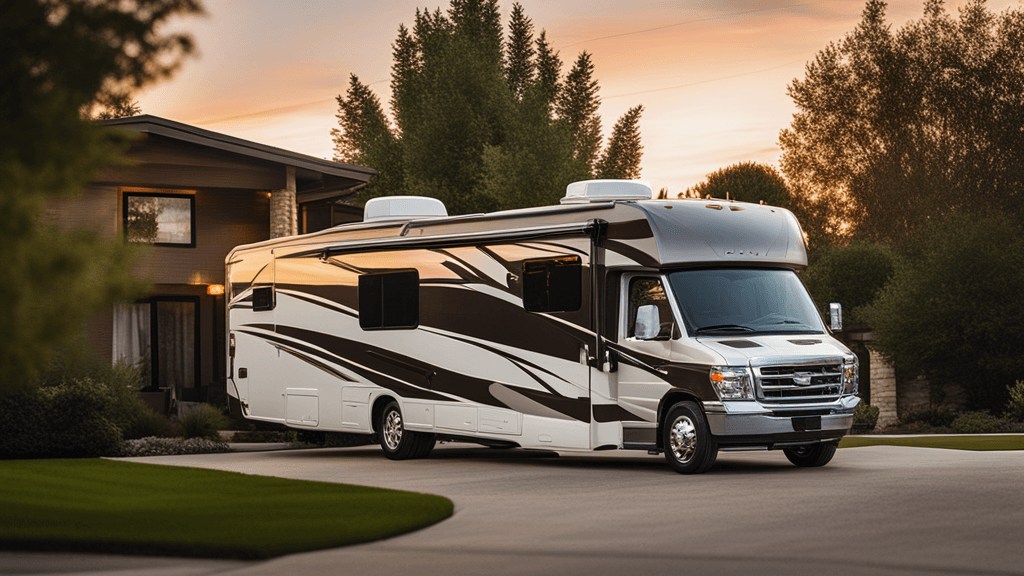
The first real question after a fire or flood isn't "when can we go home" — it's "how long until we can," because that single number decides everything about where you should live in the meantime. Most families guess low.
Realistic timelines by loss type
Every job is different, but here's the honest range:
- Minor smoke or small water loss: a few weeks.
- Moderate fire or water damage: roughly 1–3 months, including cleanup and repairs.
- Major structural fire or large water loss: commonly several months to a year — assessment, mitigation, demolition, structural repair, then rebuild, plus permitting and any mold remediation.
Get a written estimate from your restoration contractor early. It's the most important number in your displacement, and it's often longer than the initial guess.
Why the timeline decides your housing
The repair timeline maps directly onto the housing choice:
- Weeks → a hotel's convenience is fine.
- Months → a lower monthly cost wins, because it's cheaper overall and keeps your ALE coverage from running out before the home is ready.
For a multi-month restoration, an on-site RV keeps the family on the property through the whole rebuild. See the temporary housing guide to map your situation, or tell us the details on the request page.
Frequently asked questions
How long does fire damage restoration take?
Minor smoke damage may take a few weeks; a significant structural fire commonly takes several months to a year, including assessment, cleanup, structural repair, and rebuild. Ask your restoration contractor for a written estimate early, as it drives your housing decision.
How long does water damage restoration take?
Water losses add a drying and mitigation phase before repairs can start. Simple cases may resolve in a few weeks; larger losses with demolition and mold remediation often run one to several months.
Why does knowing the timeline matter for temporary housing?
Because it decides which housing option is cheapest overall and whether your coverage will last. Short displacements favor a hotel's convenience; multi-month timelines favor a lower monthly cost like an on-site RV, which also keeps ALE coverage from running out early.