Temporary Housing After a Flood or Water Damage: What Insurance Covers
Garr Russell
CEO, Fireside RV Rental · Updated July 12, 2026
Water losses are the sneaky ones. A fire looks like a disaster; a burst pipe looks like a wet floor — until the moisture reading comes back and the timeline stretches into months. The housing question after water damage starts with a coverage question most families get wrong.
First: which kind of water was it?
This distinction decides whether you have temporary-housing coverage at all:
- Sudden internal water — a burst pipe, an appliance failure, an overflow. Usually covered by homeowners insurance, which triggers Additional Living Expenses for temporary housing.
- External floodwater — rising water from storms or overflow. Usually covered only by a separate flood policy (often through the NFIP), not standard homeowners. Whether temporary housing is reimbursed depends on that policy's terms.
Confirm which applies before you assume housing is covered. The cause of the loss determines everything downstream.
Why water losses run long
Water damage has phases that fire often doesn't: mitigation and drying first, then demolition of saturated materials, then the rebuild — and any mold remediation can stretch it further. That's why what looks like a two-week fix becomes a multi-month displacement, and why the length of ALE coverage matters here.
Housing through the rebuild
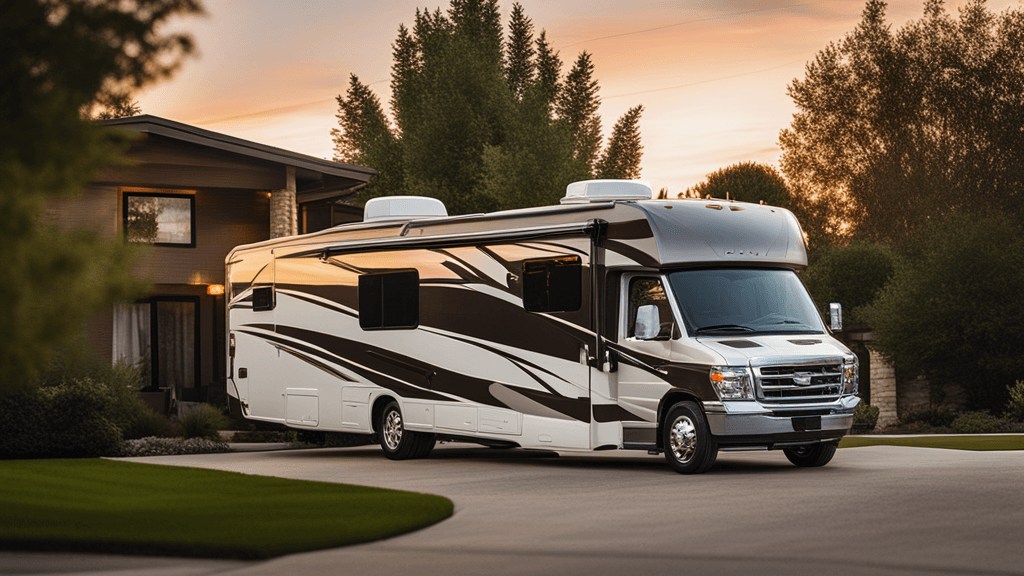
If the structure is safe and the lot is accessible, staying on-site is often the most practical option for a water-loss timeline. An on-site RV keeps the family on the property with a kitchen and pets while crews dry, demo, and rebuild — usually at a lower monthly cost than an extended-stay hotel. Compare your options in the temporary housing guide, or tell us what happened on the request page.
Frequently asked questions
Does insurance cover temporary housing after water damage?
It depends on the cause. Sudden internal water losses — a burst pipe, an overflow, an appliance failure — are typically covered by homeowners insurance, which triggers Additional Living Expenses for temporary housing. Rising external floodwater is usually covered only by a separate flood policy, so check which applies before assuming ALE is available.
Why do water-damage repairs take so long?
Water intrudes into materials before rebuilding can start, so there's a drying and mitigation phase, then demolition of damaged materials, then the rebuild. Hidden moisture and mold remediation can extend timelines significantly, which is why displacement often runs into months.
Can I stay on-site during water-damage repairs?
Often yes, if the structure is safe and the lot is accessible. A delivered RV lets you stay on your property while crews dry, demo, and rebuild — useful on the long timelines water losses tend to produce.