Disaster Restoration Crew Housing: Getting Crews On-Site After a Storm
Garr Russell
CEO, Fireside RV Rental · Updated July 12, 2026
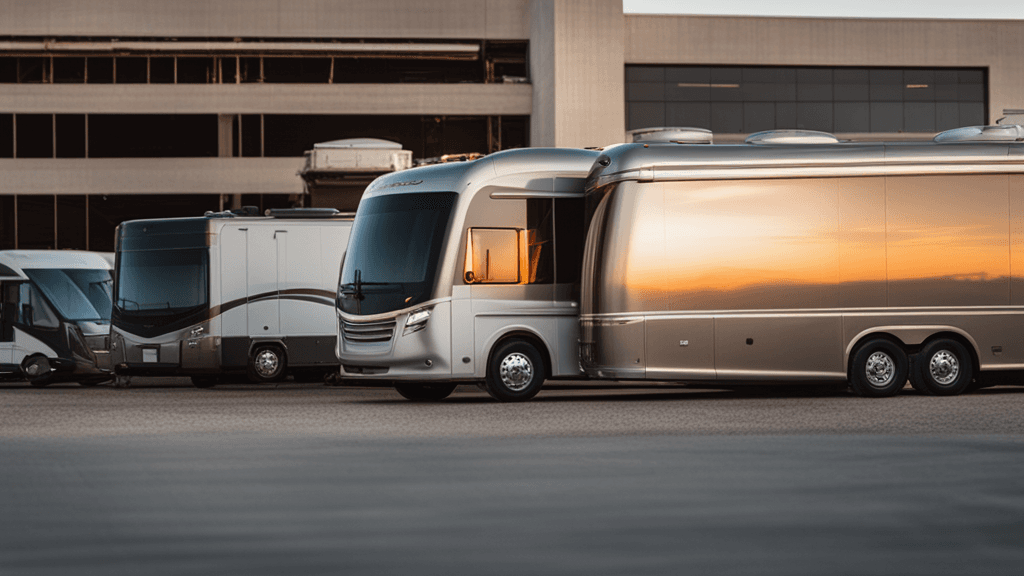
After a major storm, the restoration bottleneck usually isn't crews or equipment — it's where the crews sleep. The same disaster that created the work destroyed the hotels, and mitigation teams end up commuting hours into the disaster zone. On-site housing removes that constraint.
The post-disaster housing gap
In hard-hit areas, local lodging is often damaged, occupied by displaced residents, or simply gone. That leaves restoration and mitigation crews with a brutal choice: long daily drives from the nearest standing hotel, or no place to stay at all. Either way, response slows exactly when speed matters most.
How on-site crew housing helps
- Crews near the work. Units at or near the staging area cut travel time in a zone where roads and services are disrupted.
- Scales with the response. From a small mitigation team to a large multi-crew deployment.
- Fast to stand up and remove. Delivered, connected, and later hauled out, with terms that flex to the length of the response.
Two different housing needs
Worth being clear: this is housing for the restoration workforce. Housing the displaced homeowners they're helping is a separate need, covered under the homeowner's insurance — see the ALE housing guide and the restoration partner program. To position crews for a response, tell us the deployment details on the request page.
Frequently asked questions
Where do restoration crews stay after a major disaster?
In hard-hit areas, hotels are often damaged, full of displaced residents, or offline entirely. On-site RV housing places restoration and mitigation crews near the job when local lodging isn't available, so response isn't bottlenecked by where crews can sleep.
Can housing be deployed quickly for storm response?
Yes. Units are delivered and set up on or near the staging area, scaling with the size of the response and flexing to the length of the deployment. Getting crews close to the work reduces travel time in areas where infrastructure is disrupted.
Is this different from housing displaced homeowners?
Yes. This is housing for the restoration workforce doing the repairs. Housing the displaced homeowners themselves is covered under their insurance — see our ALE housing resources and partner program.