Event Staff Housing vs. Hotels: The Real Cost of the Commute
Garr Russell
CEO, Fireside RV Rental · Updated July 12, 2026
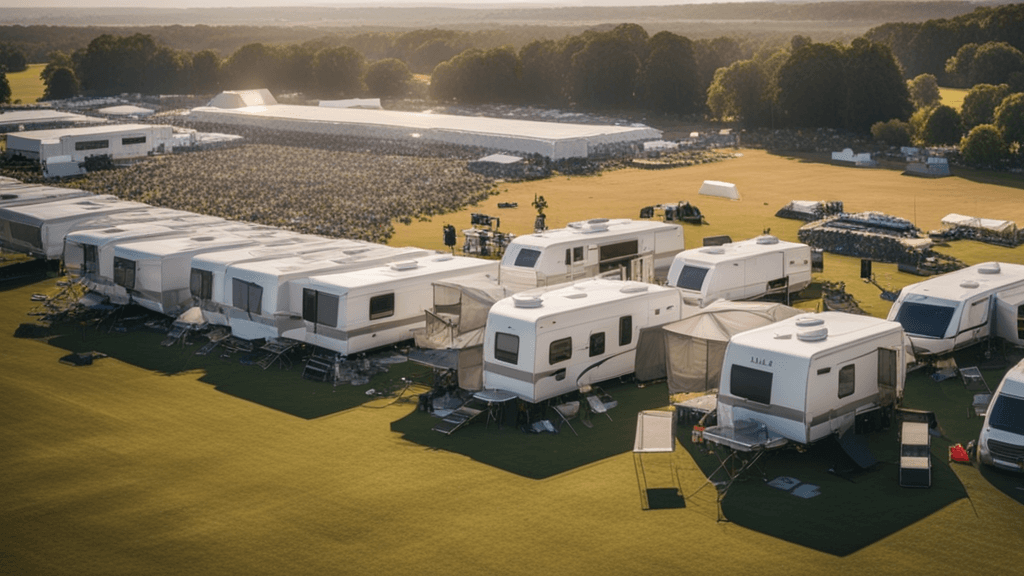
Event managers usually compare housing on the wrong number: the nightly hotel rate. The rate is the cheapest part of a hotel block. The expensive part is everything the spreadsheet leaves out.
What the hotel comparison misses
A hotel block looks cheaper per line until you add:
- Parking for the crew, sometimes per vehicle per night.
- Commute time — paid or not, shuttle logistics on both ends of a 14-hour day are a real cost.
- Surge pricing during the exact peak season your event runs in.
- No-shows and late arrivals caused by a distant hotel, which cost you on-site.
Where on-site housing wins
For multi-day events, on-site RV housing removes the commute and its hidden costs, and the savings compound with headcount and event length.
| Hotel block | On-site RV housing | |
|---|---|---|
| Best for | 1–2 nights, city-center venues | Multi-day, remote, or peak-season events |
| Commute | Yes, both ends of the day | None — crew lives on-site |
| Parking | Often extra | Included on-site |
| Peak-season pricing | Surges | Flat project rate |
When a hotel still wins
Short events, small teams, or a city-center venue with cheap hotels within walking distance — a hotel block is simpler. Otherwise, run your event through us: send dates and headcount on the request page, or see festival crew housing for how a full deployment works.
Frequently asked questions
Is on-site event housing cheaper than a hotel block?
For multi-day events with early calls and late teardowns, on-site RV housing is frequently cheaper once you count per-room rates, parking, and lost productivity from commuting. For a single overnight, a hotel block is usually simpler and cheaper.
What costs do event managers forget when comparing?
The usual misses are parking, the productivity cost of shuttle time on both ends of the day, surge pricing during peak event season, and no-shows or late arrivals caused by a long commute — all of which favor on-site housing on longer events.
When does a hotel still make more sense?
Short events (one or two nights), small teams, or venues in a city center with abundant, reasonably priced hotels within walking distance. On-site housing shines when the event is multi-day, the venue is remote, or nearby hotels are scarce or surge-priced.